Does Marine Layer Weather Affect Window Installation
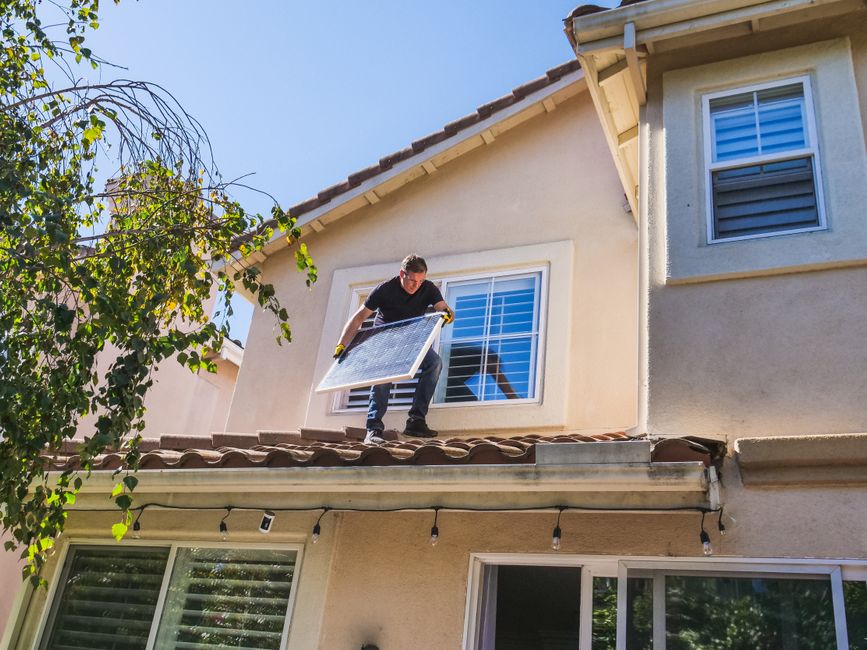
Most crews tape flashing onto damp sheathing before the marine layer clears. The crew checks the notes at new construction windows carlsbad gagewood photo before starting each day, and the schedule includes a window replacement slot for the afternoon. A quick wipe does not remove moisture absorbed into the plywood, so the tape fails to bond. The crew logs the moisture reading on the daily sheet and adjusts the tape schedule accordingly.
Morning moisture and tape adhesion
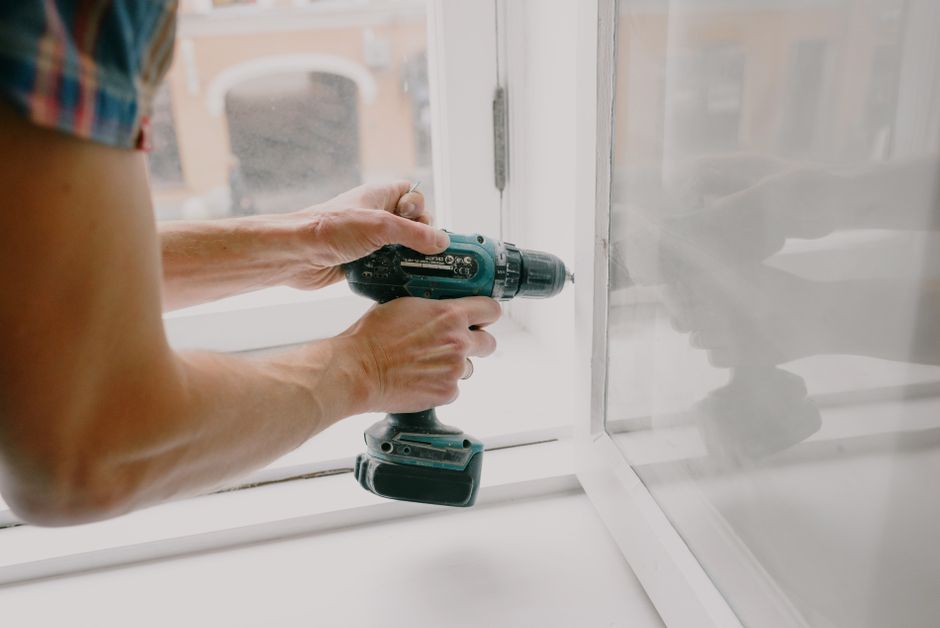
When the marine layer sits over the site the sheathing stays wet past noon. Crews working near oceanside see the same pattern each spring. The product data sheet for the flashing tape lists a minimum surface temperature of fifty degrees and a dry substrate. Waiting until the sun lifts the moisture gives a solid bond. The tape is pressed with a roller to eliminate air pockets and the crew verifies the bond with a pull test.
Sealant cure in cool humid air
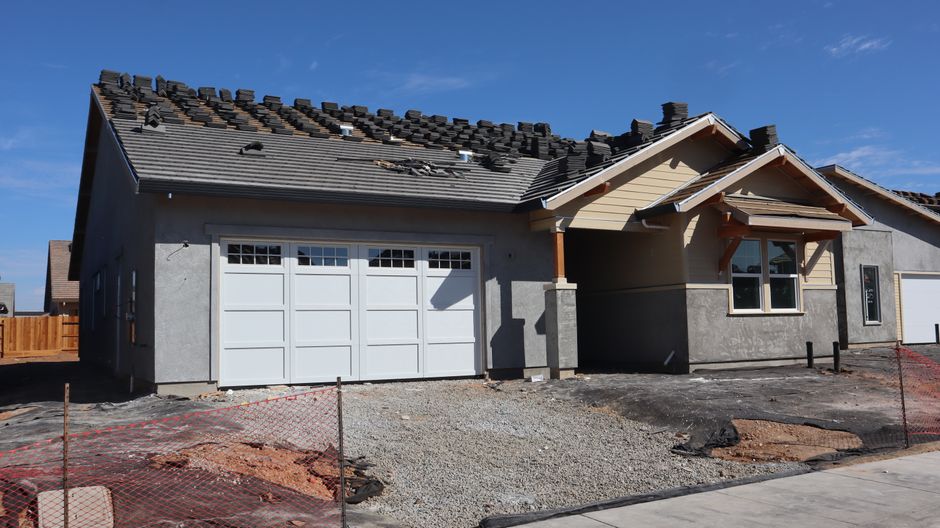
Cool humid air slows the cure of polyurethane sealant so the bead stays soft for hours. On a job near encinitas the crew delayed tooling until the temperature rose above sixty. The vinyl window frames were set after the sealant skinned over, preventing squeeze out. The crew then tools the bead with a finishing knife to achieve a smooth profile before the next trade arrives.
Flashing sequence before rain
If rain is forecast the head flashing must be finished before the unit sits in the opening. A crew on a site beside interstate 5 learned this when water ran behind the barrier at the top of a casement unit. Covering the opening with a tarp until the wall is fully flashed stops that path. The tarp is weighed down with sandbags to keep it from lifting in gusts.
Lumber movement after installation
Framing lumber that dries after the wall is closed can shrink a quarter inch and shift the rough opening. The crew rechecks shims and squareness on the second day. The double pane insulated glass units tolerate the movement when the frame is properly anchored. A laser level confirms the rough opening remains within tolerance after the lumber stabilizes.
Protecting openings until final flash
Leaving a window unit exposed overnight invites wind driven rain and debris. The crew wraps each opening with a breathable wrap and secures it with strapping. When the final flashing is applied the wrap is removed and the seal is inspected. The final inspection includes a water spray test at the head and sill to confirm no leakage.