Protecting New Construction Windows Carlsbad
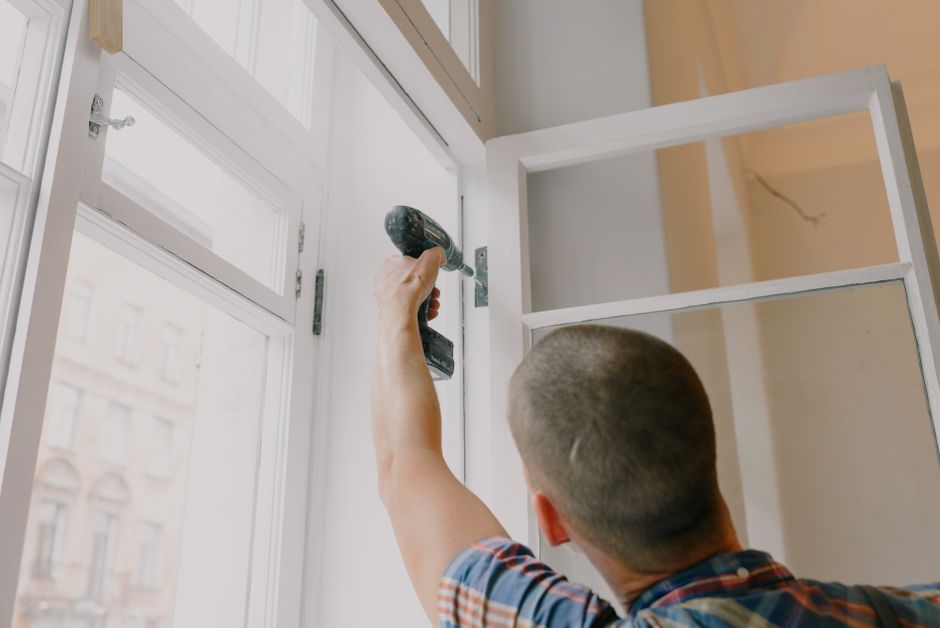
Inspect every window unit the day it arrives on site before any frame enters a rough opening. Glass scratches, frame dents, torn screens and missing hardware show up clearly under daylight, and a dated photo of each defect creates a record that protects you once trim and stucco cover the perimeter.
Inspect on Delivery Before Installation

The moment windows reach the jobsite, open the packaging and examine each piece. Run a hand along the frame edges to feel for dings that the eye might miss. Check that operable sashes move freely, locks engage, and balances hold the sash in place. Photograph any flaw with a timestamp, then notify the supplier in writing. Once lath, paper and stucco go up, proving when a scratch happened becomes nearly impossible.
Follow Manufacturer Instructions from the Start

Before the first crew swings a hammer, ask the window supplier for the manufacturer's care and cleaning guide. Allowed cleaners, approved tools, and the window for removing factory film differ by brand and by frame material. Using a product or method outside those guidelines can void the warranty. Keep a printed copy on site so every trade can reference it.
Manage Protective Film Timing
Factory film is designed to come off within a limited window. Sun and heat bake the adhesive onto glass and frames, turning a protective layer into a residue that is difficult to remove without damage. Inland Carlsbad neighborhoods such as La Costa and Robertson Ranch receive strong afternoon sun on south and west elevations. Check film on those exposures first and schedule removal before the adhesive sets.
Shield Against Stucco and Plaster
Stucco, plaster and mortar splatter pose the biggest threat on a typical Carlsbad build. Cement products are alkaline and can etch glass if left to cure. Mask glass and frames with suitable film or heavy paper before lath and plaster crews begin. If fresh splatter lands on glass, rinse it off the same day with clean water. Never let it harden overnight.
Remove Hardened Stucco Safely
If stucco does cure on the glass, do not scrape it with a dry blade. Soak the area with clean water, allow the material to soften, then lift it gently with a plastic scraper or a wet cloth. Better yet, call the window or glass supplier and ask what they recommend before anyone touches the surface. Razor scraping is especially risky on tempered glass. Tiny fused particles on the surface can drag under a blade and leave long, visible scratches. Many manufacturers advise against blades on tempered units entirely.
Keep Hot Work Away from Glass
Grinding, cutting and welding throw hot sparks that fuse into glass and leave permanent pits no cleaning can remove. Keep those operations away from installed windows, or shield the glass with plywood or cement board. A single spark can ruin an insulated unit.
Mask Before Any Spraying
Paint overspray drifts farther than crews expect, especially on windy days. Mask glass and frames before any sprayer is used nearby. Use a low-adhesion tape that releases cleanly, and pull it off while the coating is still tacky to avoid tearing dried film.
Work Around Santa Ana Winds
Fall and winter Santa Ana events carry heavy dust and grit across the jobsite. They also make loose masking flap against the glass, abrading the surface. After each wind event, walk the perimeter and re-tape or replace any protection that has lifted. A few minutes of attention prevents hours of polishing later.
Rinse Before You Wipe
Sand and drywall dust act like sandpaper when dragged across glass with a dry cloth. Flood the surface with clean water first to float the grit away. Only after the rinse should you touch the glass with a soft, clean cloth or a clean squeegee.
Wash with Mild Soap and Clean Tools
After rinsing, wash with a mild soap solution. Use a fresh cloth or a clean squeegee for each window. Rinse the tool often and change the cloth the moment it picks up grit. A dirty tool defeats the purpose of the rinse.
Dry the Glass Instead of Air Drying
Squeegee or towel the glass dry rather than letting it evaporate. Wash water and sprinkler overspray leave mineral deposits that harden in the sun and become difficult to remove. Drying by hand also gives you a final chance to spot scratches or etching while the surface is wet and reflective.
Clean in Shade or on Overcast Mornings
Direct afternoon sun forces water and cleaner to dry too fast, leaving streaks and residue. Schedule cleaning for early morning or overcast conditions when the glass stays wet long enough to work properly.
Handle Salt Air and Marine Layer
Coastal Carlsbad, from the Village toward Agua Hedionda, Batiquitos and Buena Vista lagoons, carries salt air that mixes with construction dust into a corrosive film. Rinse frames, hardware and glass with fresh water periodically during the build, not just at the end. Morning marine layer moisture turns surface dust into a muddy film. Rinse it off fully rather than smearing it with a dry cloth on damp glass.
Use Only Frame-Safe Cleaners
Solvents, abrasive pads and harsh chemicals can dull or soften vinyl, and they can damage painted or clad finishes. Use only cleaners approved for your specific frame material. When in doubt, test a hidden spot first.
Check for Special Glass Coatings
Some units carry an exterior coating such as an easy-clean or self-cleaning layer. These coatings often have their own cleaning rules. Confirm with the manufacturer before applying any product or tool to coated glass.
Keep Weep Holes and Sill Drainage Clear
Stucco, sealant, paint and debris that plug weep holes trap water inside the frame. If sills are taped for plastering, verify the tape comes off afterward and the weeps are open. A blocked weep can rot the substrate and void the warranty.
Protect Door Tracks and Sills
Sliding and patio door tracks take a beating while trades walk through. Cover sills and tracks with plywood or a durable runner. Dropped tools dent tracks, and grit in the rollers wears them out before the homeowner even moves in.
Keep Hardware Clean During Messy Phases
Stucco, drywall mud and dust infiltrate locks, hinges, operators and balances. After each messy phase, open, close and lock every operable window to confirm smooth operation. Catching a stiff hinge early avoids a service call later.
Remove and Store Screens
Take screens out, label them, and store them flat indoors until the dirty work is done. Screens left in place catch splatter, tear from ladders and hoses, and collect dust that later washes onto clean glass.
Remove Labels the Right Way
Stickers and labels come off with warm water or the manufacturer's recommended method. Scraping them risks scratching the glass. Ask the builder when labels may be removed so they stay on long enough for inspections but come off before adhesive bakes on.
Final Walkthrough in Good Daylight
Before signing off, walk the home in bright daylight from multiple angles, inside and out. Look for scratches, etching, spark pits, seal fogging and stiff hardware. Note every issue so it gets addressed before move in. A thorough walkthrough now prevents disputes after the warranty period begins.